GUANGXI, China — A visit by media practitioners from Timor-Leste to Guangxi provided a firsthand look at how technology, innovation and modern industrial practices are being used to develop local products and transform manufacturing.
As part of their visit, the Timor-Leste media delegation toured Guangxi Luobawang Food Technology Co., Ltd. and Jimu Robotics Co., Ltd., gaining direct insight into two very different areas of industrial development — food production and robotics.
A Firsthand Look at Luosifen Production
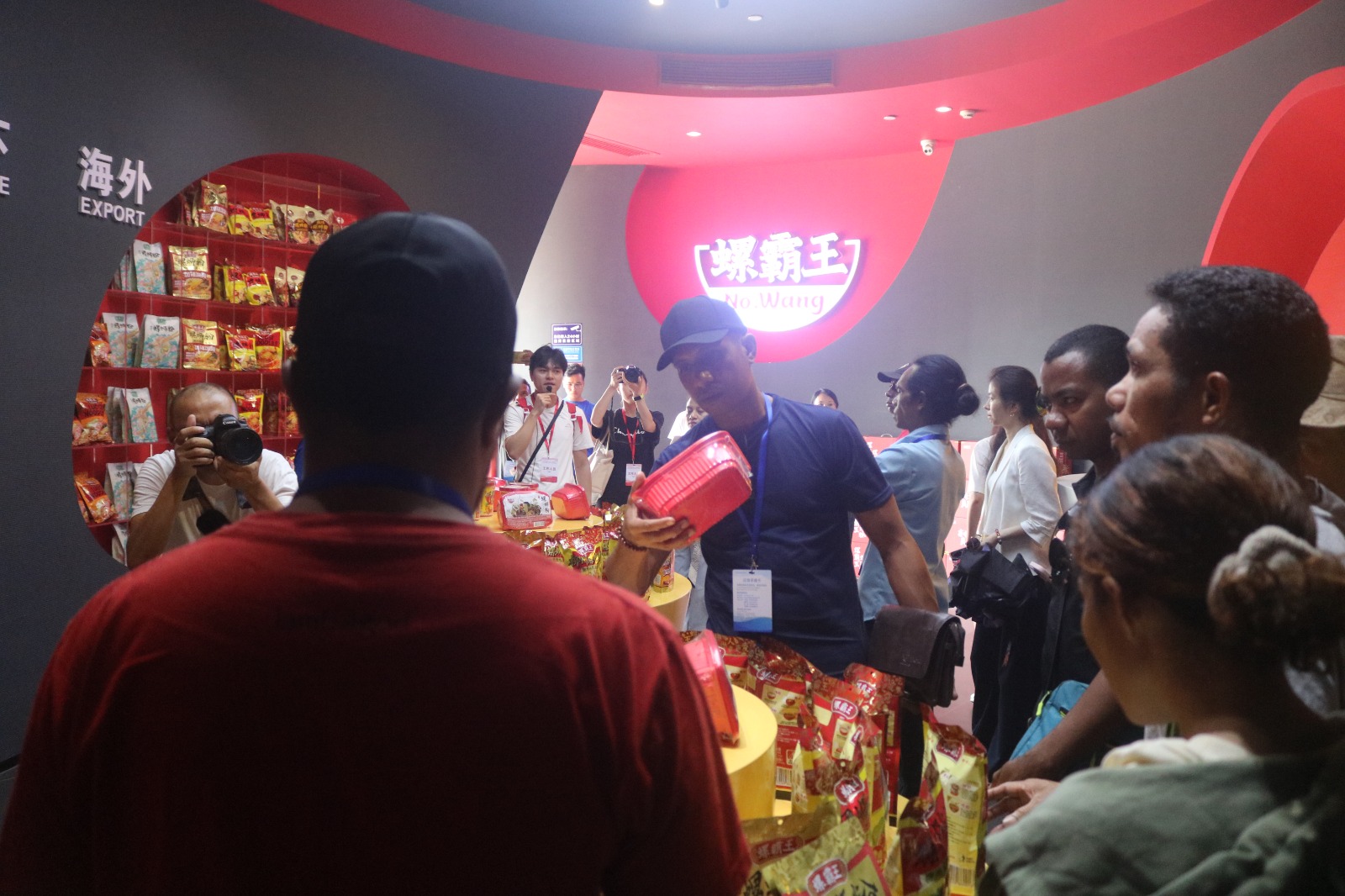
The delegation’s first visit was to Guangxi Luobawang Food Technology Co., Ltd., a company involved in the food industry and known for producing Luosifen, a distinctive local dish from Guangxi that has gained growing popularity in China.
During the visit, the Timor-Leste media practitioners were taken inside the company’s production facilities and given the opportunity to observe the manufacturing process firsthand.
Company representatives explained the different stages of production, while the delegation observed how raw materials are processed before being prepared, packaged and distributed as finished products.
The visit offered the journalists and media practitioners an opportunity to better understand how a traditional local food can be developed into a modern commercial product while maintaining its cultural identity.
Luosifen represents more than just a popular dish. It has become part of Guangxi’s culinary identity, while its industrial development demonstrates how local cultural products can generate broader economic value when supported by modern technology and production systems.
Exploring the Future of Robotics
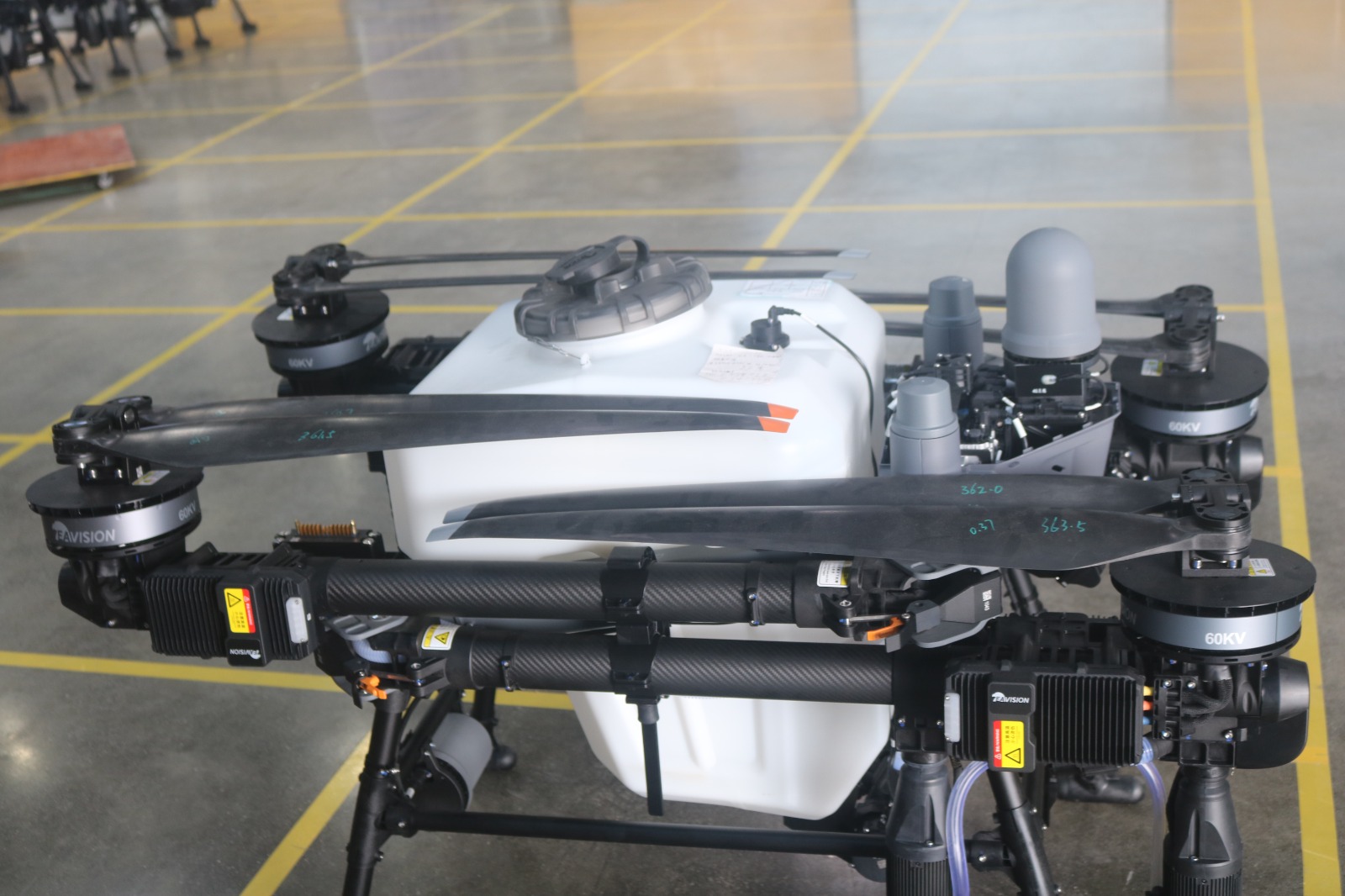
The delegation then visited Jimu Robotics Co., Ltd., where they were introduced to developments in robotics and industrial automation.
The media practitioners were given a firsthand demonstration of robotic technologies and observed how automated systems can be integrated into industrial production.
Company representatives explained the functions of the robotic systems and how automation can contribute to greater efficiency, productivity and precision in modern manufacturing.
The visit offered a different perspective on China’s industrial development. While Luobawang demonstrated how technology can support the modernization of the food industry, Jimu Robotics showed how robotics and automation are becoming increasingly important components of modern manufacturing.
For the Timor-Leste media practitioners, the experience also provided new perspectives on technological development and the transformation of industries around the world.
Where Technology Meets Tradition
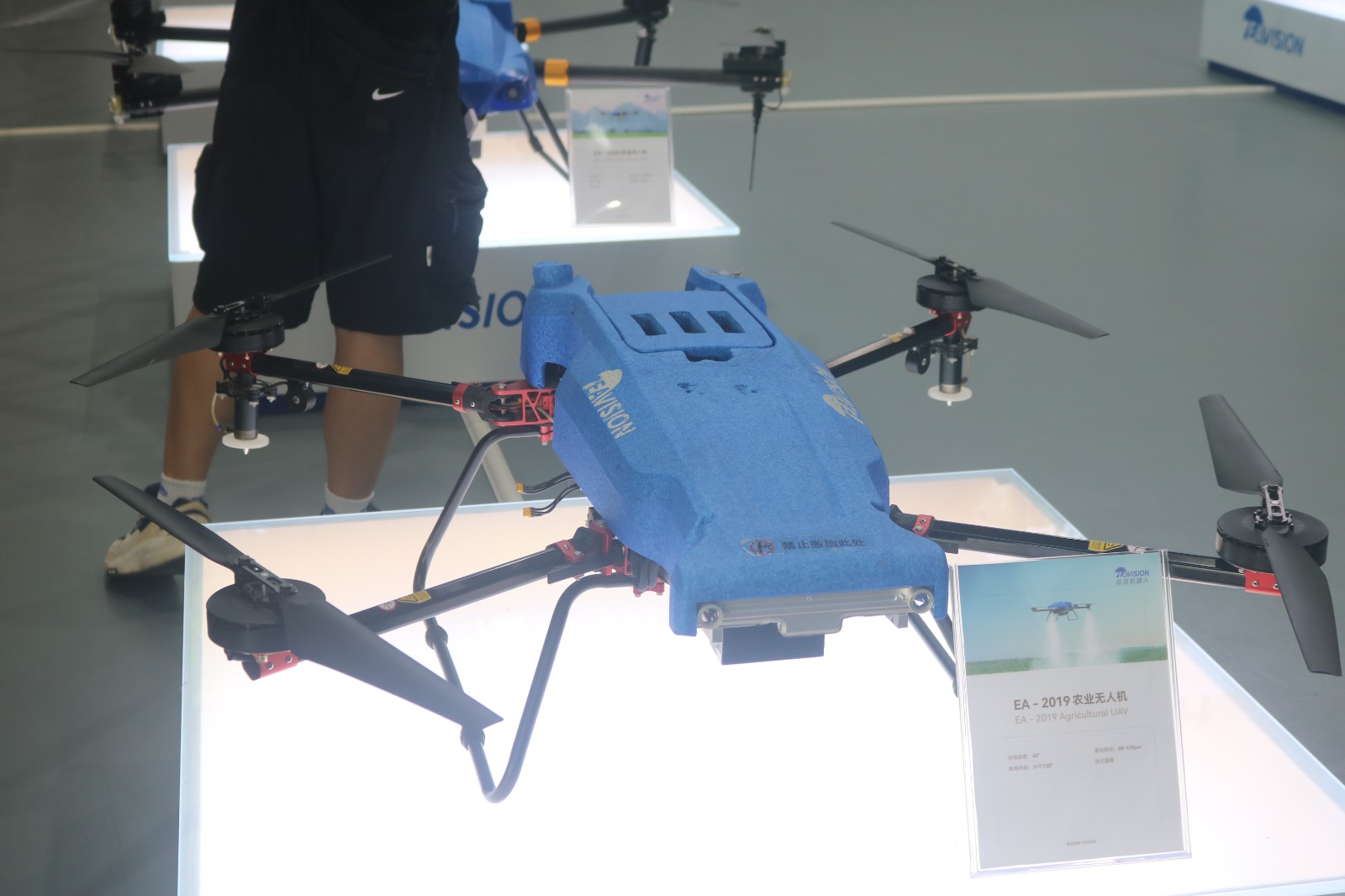
The two visits presented two different sides of industrial development, but also highlighted an important common theme: innovation can support both tradition and the future.
At Guangxi Luobawang Food Technology, the delegation saw how technology can help transform a traditional food into a modern product with a wider market. At Jimu Robotics, they witnessed how advanced robotics and automation are shaping the future of industrial production.
For the Timor-Leste media delegation, these visits were more than tours of industrial facilities. They were opportunities to learn directly from companies, understand production processes and observe how innovation is being applied in real-world environments.
The experience also demonstrated that technological development does not necessarily mean abandoning tradition. Instead, technology can serve as a tool to preserve, develop and bring local products to wider markets.
For Timor-Leste, which continues to focus on economic development, human-resource capacity and technological advancement, such experiences offer valuable lessons about the importance of innovation, skills development and industrial transformation.
From traditional food production to advanced robotics, the visit to Guangxi offered the Timor-Leste media practitioners a clear message: the future of industry is built through the combination of tradition, technology, creativity and people.
By : Paulino Afonso