119 participants from nine countries share peace, reconciliation, and human rights perspectives
Educators and civil society figures from around the world have joined an online relay of peace messages sharing messages on peacebuilding, human dignity, and the importance of a culture of peace.
The international peace organization Heavenly Culture, World Peace, Restoration of Light (HWPL) announced that 119 individuals from nine countries, including Cameroon, Timor-Leste, Burundi, and Germany, have participated in the “HWPL 365 Peace Relay Speech” campaign, which has been underway since January.
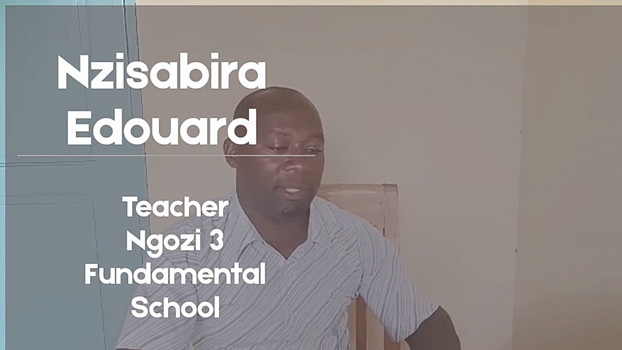
The campaign is conducted in an interview format, capturing the firsthand voices and reflections of peace advocates from around the world. Participants share their experiences in peace activities through mobile video recordings and online interviews, and their messages are being released worldwide through short-form videos on social media.
In the speeches, educators from different countries highlighted the significance of HWPL’s civilian peace agreement in Mindanao, the Philippines, and shared their experiences with peace education in schools. Some participants also expressed their views on broader issues of human rights and due process, including the fair application of the law, respect for human dignity, and humanitarian consideration for elderly individuals involved in legal proceedings.
■ The Mindanao Peace Agreement: “A Historic Effort Toward Conflict Resolution”
Participants expressed what they described as one of HWPL’s notable peace activities: the civilian peace agreement in Mindanao, the Philippines, which they said contributed to efforts to resolve decades of conflict.
[Kiven David / Principal, Government Bilingual High School, Jakiri, Cameroon]
- What was the most memorable peace activity you participated in with HWPL, and why?
“Along with the example of South Africa’s reconciliation after apartheid, the peace education lesson that impressed me most was the case of conflict resolution in Mindanao. Under the leadership and mediation of Chairman Lee Man-hee, Catholic and Muslim communities achieved reconciliation, and January 24 was designated as ‘HWPL Peace Day.’
The dignity and contributions of a leader who has helped save lives and instill the value of peace in people around the world should be fully recognized by the international community.”
The Power of Peace Education: “Beyond Knowledge—Teaching Students Empathy and Respect”
Teachers currently working in schools described the positive changes HWPL Peace Education has brought to classrooms and students’ character development, while expressing gratitude and solidarity toward the founder.
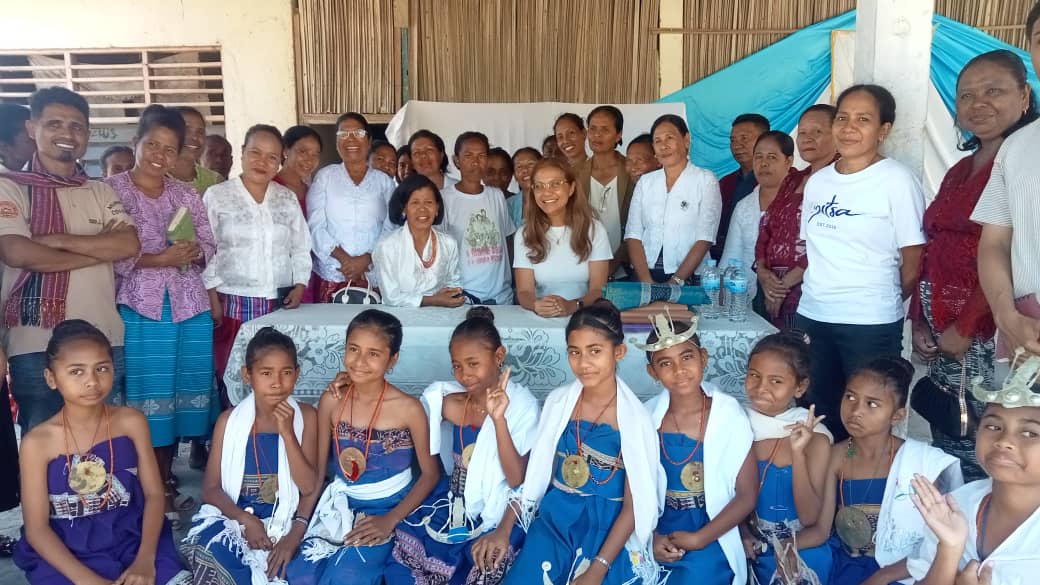
[Eufragia Soi De Jesus Ribeiro / Teacher, Colégio São Miguel Arcanjo (CSM), Timor-Leste]
- What did you find most meaningful about your experience with HWPL Peace Education?
“Participating in the HWPL Peace Education program led me to reflect again on my mission as a teacher. I realized that educators are not simply responsible for transferring academic knowledge, but also play an important role in cultivating core values such as kindness, empathy, respect, and responsibility among students.
I would like to express my sincere gratitude to Chairman Lee Man-hee for his dedication to promoting a culture of peace through education and dialogue. I hope that the legacy of peace that has inspired educators around the world will continue to be shared and carried forward.”
Rule of Law and Human Rights: “The Right to Defense and Humanitarian Consideration for an Elderly Leader”
In one of the interviews, an educator expressed concern about the pretrial detention of HWPL Chairman Lee Man-hee, who is 95 years old, while emphasizing the importance of judicial independence and fair legal procedures. The interviewee also referred to international human rights principles concerning human dignity and the treatment of elderly individuals in judicial proceedings.
[Dusabikanye Yves / Lecturer, University of Burundi / Volunteer French Teacher in Cambodia]
- As an educator who has experienced HWPL Peace Education, what are your personal thoughts on the current legal proceedings involving Chairman Lee Man-hee of HWPL?
“Judicial independence and fair legal procedures must, of course, be respected. At the same time, every individual must be guaranteed dignity and fundamental rights throughout the judicial process. From the perspective of international human rights, the pretrial detention of a person of very advanced age who poses little risk of flight or destruction of evidence and has not yet received a final judgment is a matter that should be considered with great care.
Legal proceedings can continue, but if a person’s health or life is lost, that can never be reversed. The law exists not to harm people, but to protect them. I sincerely hope that the judiciary of the Republic of Korea, as that of an advanced democracy, will make an exemplary decision that safeguards human dignity and ensures that the health and fundamental rights of the leader who has devoted his life to peace and the education of future generations are sufficiently protected.”
Participants expressed views on universal human rights principles, including the fair application of the law, respect for human dignity, and humanitarian consideration for an elderly individual involved in ongoing legal proceedings.
An HWPL official said, “The messages delivered by educators from different countries remind us not only of possible approaches to resolving the conflicts facing the international community today, but also of the fundamental value of human dignity.”
The official added, “HWPL will continue to share a culture of peace and awareness of universal human rights with people around the world through various new-media channels, including short-form social media content.”