Lafaek News—From the experience of participating in a seminar in Beijing, a new understanding emerged: relations between Timor-Leste and China can be built not only through intergovernmental relations and economic cooperation, but also through media, communication, culture, and people-to-people connections. In this context, the China International Communications Group (CICG) is one of the institutions that is particularly interesting to know more about.
When we talk about relations between Timor-Leste and China, our attention often turns to trade, investment, infrastructure development, education, or diplomatic relations. However, there is another area that is equally important in building mutual understanding between the two countries: media and communication.
The media has the ability to introduce one country to the people of another. Through news, articles, documentaries, photographs, videos, social media, and various forms of digital communication, people can learn about the lives, cultures, development, and social dynamics of other countries.
For Timor-Leste and China, this space has significant potential.
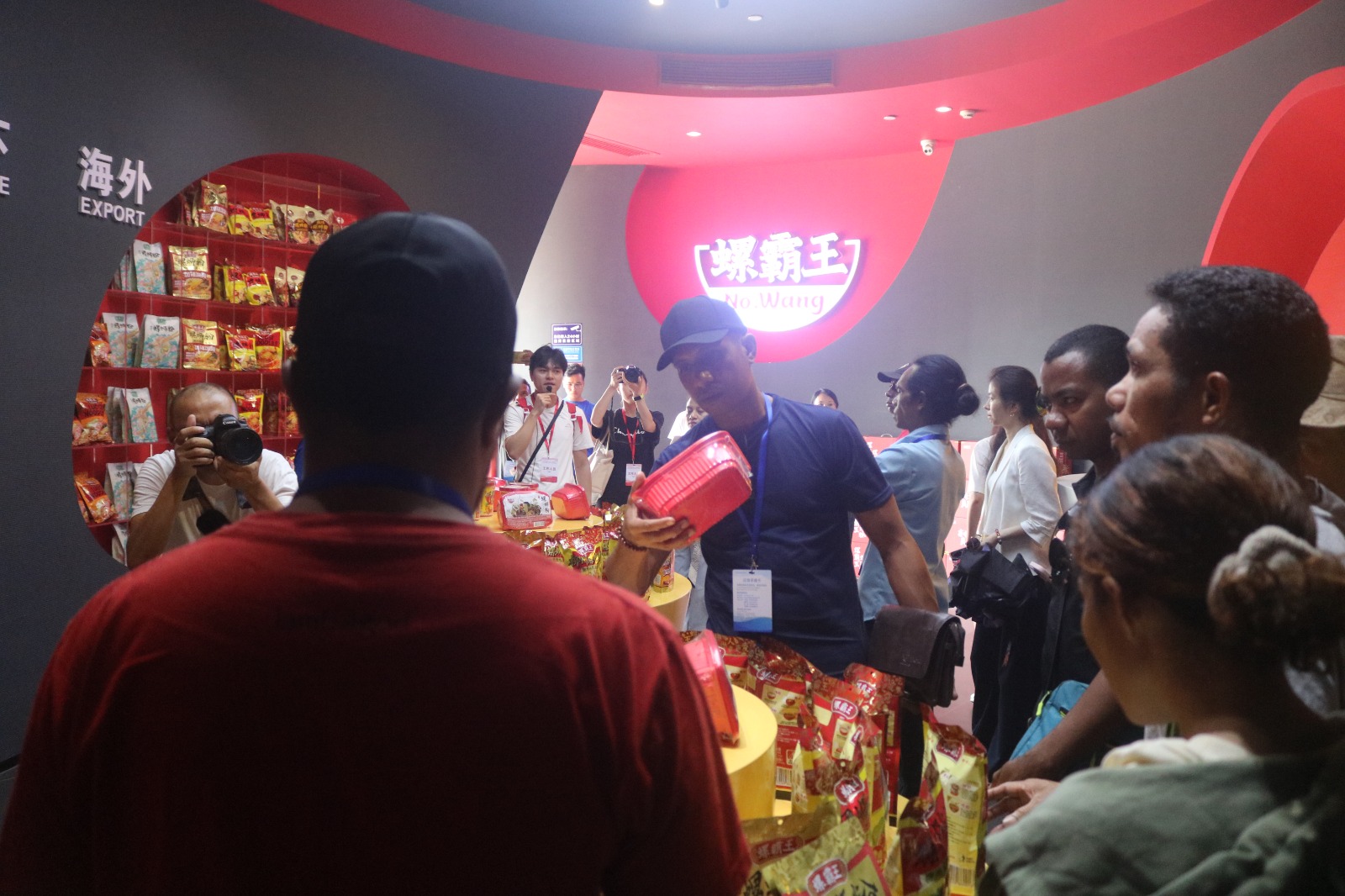
One experience that opened my perspective was the opportunity to participate in a seminar program for media practitioners from Timor-Leste in China. Such programs do not only provide participants with an opportunity to learn about developments in China’s media sector, but also create a space for dialogue and direct interaction between media practitioners from the two countries.
Through this experience, I became interested in learning more about the China International Communications Group, or CICG.
Getting to Know CICG China
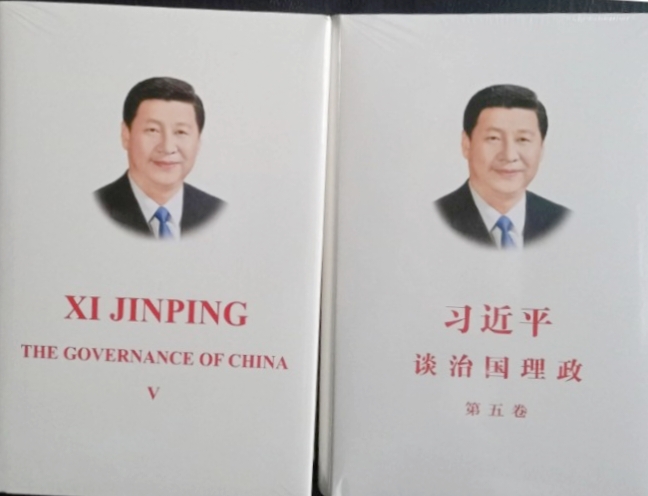
CICG is the international name of the China International Communications Group. In Chinese, the institution is known as China International Communications Group, and it was previously known internationally as the China International Publishing Group.
According to CICG’s official information, the institution has a long history. Its origins can be traced back to the International Press Bureau of the Central People’s Government News Administration, which was established in October 1949. Over the years, the institution has carried out various activities related to international communication, publishing, translation, cultural exchange, and the dissemination of information about China to international audiences.
In January 2022, the China International Publishing Group officially adopted the international name China International Communications Group (CICG). The change reflected the broader scope of the institution’s work, moving beyond its previous strong association with international publishing toward a wider focus on international communication.
Today, CICG’s activities include publishing, international communication, research, translation, cultural exchange, and training. CICG also has various units working in the fields of international media and communication.
Therefore, getting to know CICG means more than simply learning about a publishing institution. CICG can be understood as one of China’s institutions with extensive experience in communicating with international audiences through different languages, media, and platforms.
Media as a Bridge Between Two Countries
In an increasingly interconnected world, relations between countries are no longer built solely through official meetings between government representatives. People-to-people relations are also increasingly important in shaping how one country is understood by the people of another.
This is where the media plays an important role.Timor-Leste is a young country with a unique identity, history, culture, and development experience that can be introduced to the international community. China, meanwhile, is a country with a large population, rapid technological development, diverse cultures, and extensive development experience.
The exchange of information between the two countries can help people in Timor-Leste gain a more diverse understanding of China, while also giving people in China an opportunity to learn about Timor-Leste not only through information about politics or the economy, but also through stories about its people, culture, nature, history, and everyday life.
Therefore, media cooperation should not be viewed merely as cooperation between media companies or press organizations. More broadly, such cooperation can serve as a bridge for communication and understanding between people.
From a Seminar Toward Broader Possibilities for Cooperation
Seminars for media practitioners from Timor-Leste in China can serve as an example of how such relationships can be developed at a practical level.
Face-to-face meetings provide participants with opportunities to discuss ideas, exchange experiences, observe developments in the media sector, learn about communication technologies, and understand how the media operates in different environments.
Such experiences also demonstrate that human relationships are an important part of relations between countries.
A journalist or media practitioner who has visited China does not simply return home with notes about what they have seen. They also bring back personal experiences, new perspectives, and relationships with the people they met during their time in China.
Likewise, when Chinese media practitioners have the opportunity to learn about Timor-Leste directly, they can gain a closer understanding of Timor-Leste and its people.
This is where media cooperation can begin to grow.
What Could Timor-Leste and CICG Develop Together?
Looking ahead, there are various possibilities for cooperation that could be discussed between media and communication institutions in Timor-Leste and CICG.
First, exchange and capacity-building programs for media practitioners. Journalists, editors, photographers, cameramen, producers, and digital media practitioners could have opportunities to learn about developments in the media industries of both countries.
Second, media content exchange. Timor-Leste’s media could introduce stories about the lives and experiences of Timor-Leste’s people to Chinese audiences, while Chinese media could help introduce different aspects of life in China to audiences in Timor-Leste.
Third, joint content production. Documentaries, short videos, television programs, podcasts, articles, and multimedia projects could provide platforms for telling stories about the people of both countries.
Fourth, digital media capacity development. Technological changes have made the boundaries between traditional and digital media increasingly blurred. Media organizations in Timor-Leste can continue strengthening their capabilities in video production, multimedia storytelling, social media, and the development of content for younger generations.
Fifth, the exchange of experience in international communication. Timor-Leste has a need to introduce itself to the world, while China has extensive experience in international communication. The exchange of experiences could provide a valuable learning opportunity for both sides.
All of these forms of cooperation, of course, would require further discussion, formal agreements, and clear mechanisms between the relevant institutions.
Timor-Leste Also Has Stories to Tell the World
When discussing international communication, it is important to view the relationship as a two-way process.
Timor-Leste is not simply a country that receives information from the outside world. Timor-Leste also has many stories to share with the world.
The story of Timor-Leste as a young nation, the struggles of its people, its local cultures and traditions, its natural beauty, village life, the development of its younger generation, and its national development process are all stories that can be introduced to international audiences.
Therefore, cooperation with an institution such as CICG could provide a space for Timor-Leste to tell its own story.
The media can help build an understanding that Timor-Leste is not simply a small country in Southeast Asia, but a nation with its own history, culture, people, and aspirations for development.
Technology Opens New Opportunities
Technological development has also created far greater opportunities than in the past.In earlier times, introducing a story to an international audience required a very extensive distribution network. Today, a video produced in Dili can be watched by people in Beijing within seconds.
The same is true in the other direction.Social media, video platforms, podcasts, news websites, and various forms of digital communication allow media practitioners from Timor-Leste and China to collaborate without always having to be in the same place.
CICG itself has various activities related to international communication and new media. One of its units, Xufang International Media, is involved in the production and distribution of multilingual new media products and communication through international social platforms.
This development shows that the future of media cooperation is not limited to newspapers, magazines, radio, and television. The future also lies in digital video, social media, multimedia, and new forms of communication.
Building Relations Through Human Stories
Ultimately, relations between Timor-Leste and China are not only about trade figures, investment, development projects, or diplomatic relations.
There are people behind these relationships.
When a media practitioner from Timor-Leste meets a media practitioner from China, they do not simply exchange information about their work. They can also talk about their families, cultures, food, education, everyday lives, and personal experiences.
Understanding can grow from such simple conversations.
My experience participating in the seminar in China also showed me that sometimes the best way to understand a country is not simply by reading news about it, but by coming there, seeing it, meeting people, talking to them, and listening to their experiences directly.
Likewise, people in China can gain a better understanding of Timor-Leste when they have opportunities to hear stories directly from the people of Timor-Leste.
From Beijing to Dili
For me, the experience of getting to know CICG and participating in the media program in China was not simply a professional journey. More than that, it opened a new perspective on how the media can become part of a broader relationship between Timor-Leste and China.
CICG has extensive experience in international communication, publishing, translation, cultural exchange, and the development of various forms of media. In recent years, CICG’s activities have also included media forums, training programs, international exchanges, and cooperation with institutions from different countries.
For Timor-Leste, the opportunity to build closer relations with an institution such as CICG could provide a valuable space to strengthen the capacity of media practitioners while also expanding the reach of Timor-Leste’s stories to international audiences.
However, such cooperation should not stop at seminars or study visits.
It could develop into knowledge exchange, training programs, joint content production, journalist exchanges, digital media cooperation, and other forms of communication that can create meaningful benefits for both countries.
By: P.A